
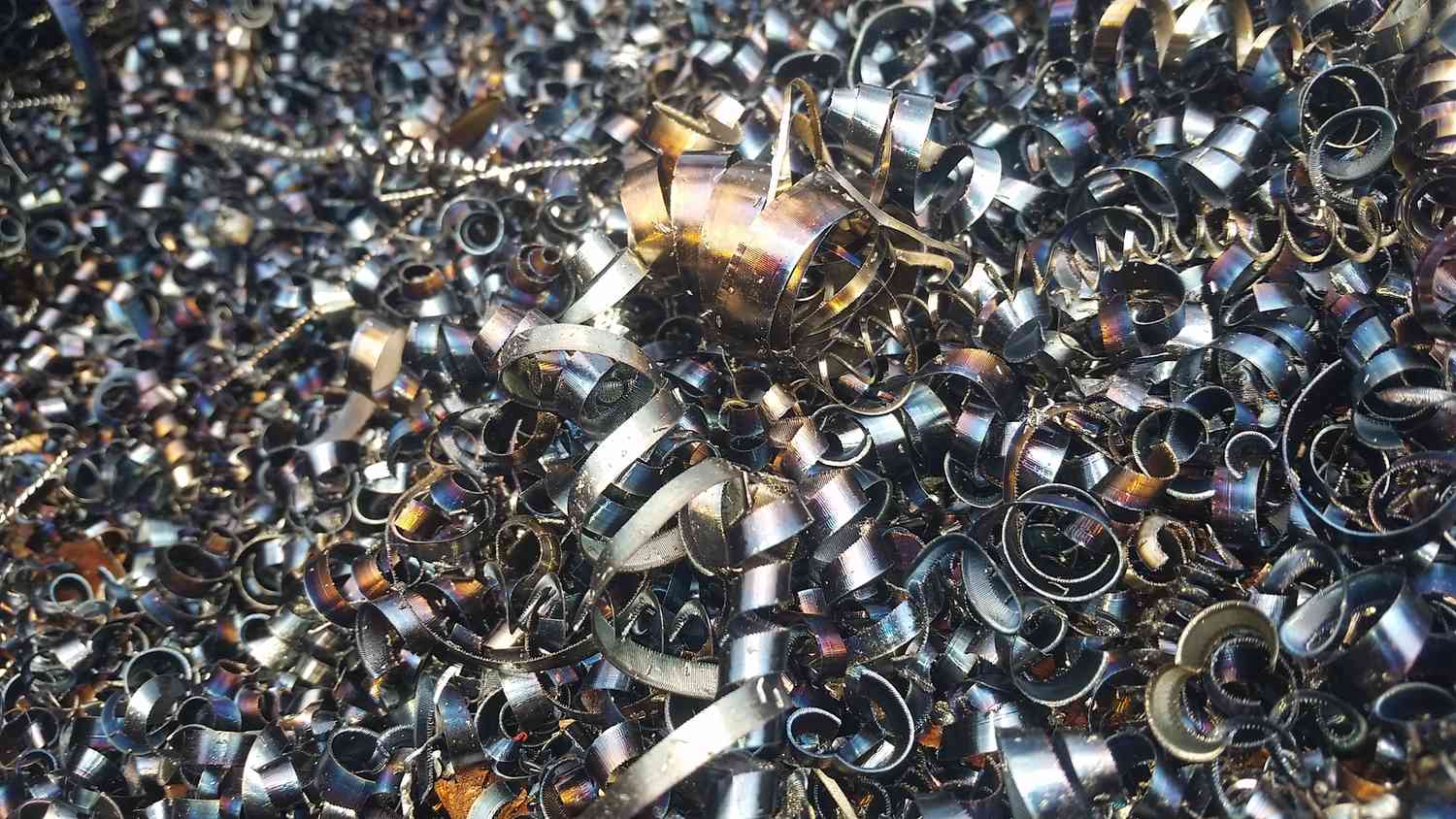
Introduction: Why Ferrous Scrap Trading Matters
Ferrous scrap trading isn't just a niche industry—it's a multi-billion-dollar global market that fuels the modern economy, supports environmental sustainability, and creates opportunities for both small-scale traders and large industrial players. From steel scrap for sale in scrap yards to bulk iron scrap shipped internationally, this market is dynamic, resilient, and constantly evolving.
At Cleflavron, we understand the complexities and opportunities in the ferrous scrap trading ecosystem. This guide explores every aspect of the industry—from what constitutes ferrous scrap, how it's graded, the factors that affect its price, and how buyers and sellers can navigate the market ethically and profitably.
What is Ferrous Scrap and Why Is It in Demand?
Ferrous scrap refers to any recyclable metal that contains iron. Unlike non-ferrous metals like copper or aluminum, ferrous metals are magnetic and usually rust. They're the backbone of the steel recycling industry.
The demand for ferrous scrap stems from its crucial role in steel production, especially in electric arc furnaces (EAFs), which are used globally for manufacturing construction materials, car parts, and household appliances. As the world shifts towards greener practices, using recycled steel is becoming a more attractive option due to its significantly lower carbon footprint compared to virgin steel.
"Recycling steel saves about 74% of the energy required to produce it from raw materials," says the Bureau of International Recycling (BIR).
Key Types of Ferrous Scrap Metals
Understanding the different grades of ferrous scrap is essential for successful trading. Here are the most common categories:
1. Heavy Melting Scrap (HMS 1 & 2)
-
HMS 1: Clean, heavy steel scrap with a minimum thickness of 1/4 inch.
-
HMS 2: May include lighter gauge steel and some galvanized or blackened steel.
-
Widely traded internationally.
2. Shredded Steel Scrap
-
Comprises shredded vehicles, appliances, and structural steel.
-
Clean and uniform, ideal for high-efficiency steel furnaces.
3. Cast Iron Scrap
-
Sourced from old machinery, engines, and pipes.
-
Heavier and denser, useful in specific steel applications.
4. Bundles and Busheling
-
Factory off-cuts and punchings.
-
Clean and consistent, often high in value.
Each type has its own market, pricing, and preferred end-use, which makes accurate grading and classification essential.
Ferrous Scrap vs. Non-Ferrous Scrap
A frequent question in the industry: "How is ferrous scrap different from non-ferrous scrap?"
| Feature | Ferrous Scrap | Non-Ferrous Scrap |
|---|---|---|
| Iron Content | Yes | No |
| Magnetic | Usually | No |
| Rust | Tends to rust | Resistant to rust |
| Common Examples | Steel, Cast Iron | Copper, Aluminum |
| Price | Lower | Higher |
Both types are crucial in recycling, but ferrous metal recycling dominates by volume due to the high usage of steel.
Market Trends and Price Factors in Ferrous Scrap Trading
Scrap metal prices fluctuate daily due to:
-
Global steel demand
-
Energy costs
-
Geopolitical factors (e.g., tariffs, trade restrictions)
-
Shipping logistics
-
Seasonal construction activity
Example:
During the COVID-19 pandemic, construction paused and so did demand, leading to a global dip in scrap prices. However, recovery in infrastructure spending saw a rebound, especially in emerging markets.
Reliable sources like Argus and Platts offer real-time pricing indexes to help traders stay ahead.
The Role of Ferrous Scrap in Steel Production
Modern steel production leans heavily on metal recovery and reuse. Especially in EAFs, up to 100% of the input can be recycled ferrous metals. This:
-
Cuts down greenhouse emissions
-
Conserves natural iron ore
-
Reduces energy use
Recycling 1 ton of steel conserves 2,500 lbs of iron ore, 1,400 lbs of coal, and 120 lbs of limestone.
How Ferrous Scrap is Sourced, Collected, and Verified
Scrap yard suppliers play a pivotal role in collecting material from:
-
Demolition sites
-
Manufacturing off-cuts
-
End-of-life vehicles
-
Municipal waste collection centers
The collected scrap is then:
-
Sorted: Manual and magnet-assisted
-
Graded: According to ISRI or local standards
-
Processed: Cut, baled, or shredded
-
Tested: For contaminants and alloy content
Tips for Buyers:
-
Always request material specifications and certifications.
-
Use a third-party inspection agency when buying internationally.
-
Ensure compliance with local import/export requirements.
Tips for Sellers:
-
Clean your scrap to boost its value.
-
Accurately grade your material.
-
Maintain transparent documentation to attract reliable ferrous scrap buyers.
Legal and Environmental Considerations
Trading scrap is not just business—it's regulated:
Legal:
-
Exporters often need licenses (e.g., EU waste shipment regulations)
-
Must comply with international trade laws (WTO, customs)
Environmental:
-
Must follow sustainable scrap trading practices
-
Ensure scrap isn't contaminated with hazardous materials
According to the World Steel Association, using scrap in steel production can reduce CO2 emissions by over 1.5 tons per ton of finished steel.
International Scrap Trading: Challenges and Opportunities
International scrap trading offers higher margins but comes with risks:
Common Challenges:
-
Language and communication gaps
-
Currency exchange volatility
-
Unreliable partners or documentation
Opportunities:
-
Access to better prices
-
Diverse buyer/seller base
-
Potential bulk contracts
Always perform due diligence and verify your trading partner through associations like BIR or local metal trade chambers.
Equipment and Safety in Ferrous Scrap Handling
To manage and trade scrap efficiently, you'll need:
-
Magnetic separators
-
Hydraulic shears
-
Weighbridges
-
Forklifts and cranes
-
Personal protective equipment (PPE)
Safety measures must include:
-
Proper training
-
Fire and explosion prevention
-
Hazardous waste identification
Cleflavron’s Role in Ferrous Scrap Trading
At Cleflavron, we specialize in connecting industrial buyers with high-quality iron scrap suppliers, offering transparency, regulatory compliance, and sustainable sourcing. Whether you want to sell ferrous scrap or find steel scrap for sale, we streamline the process for all stakeholders.
Our Services:
-
Quality assurance and inspection
-
Market analysis and pricing forecasts
-
Logistic support for bulk iron scrap shipments
Frequently Asked Questions
What is the current market price for ferrous scrap?
It fluctuates daily. Check platforms like Argus, Platts, or Fastmarkets for updates.
What certifications are required to trade ferrous scrap internationally?
Depending on your location: environmental compliance, waste transport permits, customs declarations, and sometimes ISRI membership.
How do I start a ferrous scrap trading business?
-
Understand local regulations
-
Build a network of scrap yard suppliers and buyers
-
Set up logistics and inspection channels
-
Stay updated on scrap metal prices
What are the most in-demand ferrous scrap materials?
-
HMS 1
-
Shredded steel
-
Cast iron
-
Bundles from industrial processes
What is the difference between HMS 1 and HMS 2?
HMS 1 is cleaner and thicker, generally fetching a higher price. HMS 2 includes thinner, more mixed material.
Outlook: The Future of Ferrous Scrap Trading
The market is expected to grow steadily due to:
-
Expanding construction and automotive sectors
-
Increasing environmental regulations favoring metal recovery and reuse
-
Emerging economies boosting international scrap trading
Green steel initiatives and circular economy trends will further cement the importance of ferrous metal recycling.
Final Thoughts
Ferrous scrap trading is more than just metal exchange—it's a cornerstone of sustainability and economic efficiency. Whether you're a newcomer or seasoned player, understanding the nuances of this trade will help you operate ethically, profitably, and sustainably.
By staying informed, investing in quality, and partnering with experienced companies like Cleflavron, you can navigate the scrap metal market with confidence.
3 Comments In This Topic:
Leave Comment: