
Introduction: Why Ferrous Scrap Matters More Than Ever
In the global conversation on recycling, ferrous scrap often steals the spotlight. Found in everything from demolished buildings to discarded appliances, it forms the backbone of the ferrous metal recycling industry and plays a critical role in supporting sustainable steel production.
Ferrous scrap isn’t just trash — it’s a resource. With rising global demand for steel and increasing environmental concerns, this material is key to building a circular economy and cutting down carbon emissions. Whether you’re a scrap dealer, steel manufacturer, or sustainability advocate, understanding ferrous scrap is essential to navigating today’s green economy.
What is Ferrous Scrap?
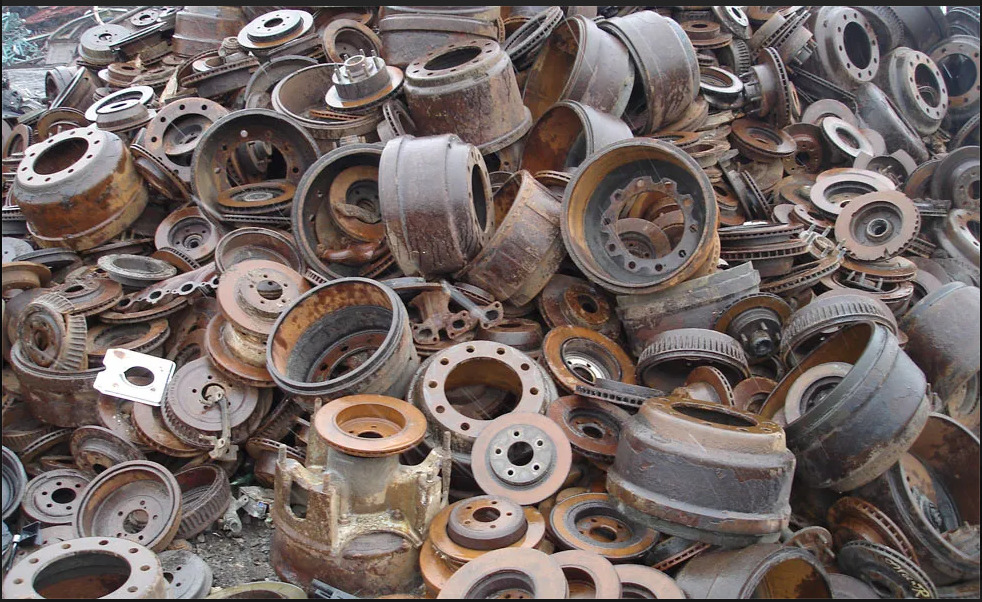
Ferrous scrap refers to any discarded metal that contains iron. It includes items like old machinery, auto parts, construction beams, and even household appliances. What makes it unique is that it's magnetic, rusts over time, and can be melted and reused in steel production.
"Ferrous metals are endlessly recyclable without loss of quality," says the Institute of Scrap Recycling Industries (ISRI). "They are among the most sustainable materials in existence."
Ferrous vs Non-Ferrous Scrap
-
Ferrous scrap contains iron (e.g., steel, cast iron) and is magnetic
-
Non-ferrous scrap does not contain iron (e.g., aluminum, copper, brass) and is non-magnetic
Understanding this difference is vital in the industrial metal waste sorting and pricing process.
Common Types of Ferrous Scrap
Here are the most commonly traded types of ferrous scrap:
1. Heavy Melting Steel (HMS) Scrap
-
HMS 1: Clean steel without galvanized or blackened coatings
-
HMS 2: May include blackened or galvanized steel
2. Shredded Steel
-
Lightweight scrap processed from vehicles and appliances
3. Cast Iron Scrap
-
Comes from engine blocks, radiators, and cookware
4. Steel Turnings and Borings
-
Industrial shavings from machining processes
Each category has different applications, pricing, and processing requirements.
Identifying and Collecting Ferrous Scrap
Ferrous scrap collection begins at the source — demolition sites, manufacturing plants, and households. To identify ferrous metal scrap, simply use a magnet: if it sticks, it’s likely ferrous.
Collection & Sorting
-
Manual Sorting: Workers use magnets and visual checks
-
Magnetic Separation: Machines pull ferrous from non-ferrous
-
Shearing/Shredding: Breaks down large items into manageable pieces
Once sorted, the scrap heads to ferrous scrap yards for weighing, grading, and shipment.
How Is Ferrous Scrap Recycled?
Step-by-Step Process:
-
Collection from industrial, municipal, or demolition sites
-
Sorting and grading by quality and type
-
Processing: Cutting, shredding, or compacting
-
Melting in electric arc furnaces or basic oxygen furnaces
-
Purification to remove contaminants
-
Solidification and Reuse in new steel products
All recyclable metals like ferrous scrap can be recycled multiple times without losing strength, making it ideal for sustainable steel production.
Environmental Benefits of Recycling Ferrous Scrap
Recycling ferrous scrap delivers measurable environmental benefits:
1. Energy Savings
-
Recycling steel saves up to 74% of the energy used in making new steel from iron ore
2. Emission Reductions
-
Reduces CO2 emissions by up to 86% compared to traditional steelmaking
3. Landfill Reduction
-
Prevents bulky steel waste from clogging landfills
4. Water Conservation
-
Steel recycling requires significantly less water than ore-based steelmaking
These savings support eco-friendly steelmaking, helping nations meet climate goals.
Economic Importance of Ferrous Scrap in Industry
A Cornerstone of the Steel Industry
Ferrous scrap is the backbone of steelmaking, especially for electric arc furnaces (EAFs), which now account for over 25% of global steel production.
According to the World Steel Association, using scrap instead of virgin iron ore reduces material costs and supports the circular economy.
Key Industries Using Ferrous Scrap:
-
Automotive manufacturing
-
Construction and infrastructure
-
Machinery production
-
Shipbuilding
Ferrous Scrap Prices and Market Trends
What Affects the Price?
-
Global demand for steel
-
Supply chain disruptions
-
Scrap quality and grade
-
Transportation costs
How Much is Ferrous Scrap Worth Per Ton?
-
Prices vary globally, but steel scrap prices in 2024 range between $200 - $400/ton depending on quality and location.
Global Demand
Countries like Turkey, India, and South Korea are major ferrous scrap importers, driving strong ferrous scrap export markets from the U.S. and Europe.
Best Practices for Handling and Selling Ferrous Scrap
Safety First
-
Wear gloves, goggles, and protective gear
-
Avoid cuts from sharp, rusted edges
-
Store in dry areas to prevent deterioration
Selling Tips
-
Sort scrap by type for better prices
-
Use certified ferrous scrap yards
-
Monitor steel scrap prices to sell at the right time
-
Build relationships with reliable recyclers or brokers
Regulations and Standards
Transporting and exporting ferrous scrap is regulated in most countries. Compliance ensures:
-
Safe handling and environmental protection
-
Customs clearance for ferrous scrap export
-
Legal sales documentation
Some regions also require recyclers to be licensed or certified to prevent illegal dumping.
Cleflavron’s Role in Ferrous Scrap Trading
At Cleflavron, we help facilitate ethical and efficient sourcing, trading, and recycling of scrap iron and steel. Our services include:
-
Supplying quality ferrous scrap to steelmakers
-
Working with certified yards and recyclers
-
Promoting sustainable steel production through eco-responsible sourcing
Our goal is to contribute to a more circular and resilient economy through smart metal recovery solutions.
Conclusion: Ferrous Scrap as a Pillar of Sustainable Industry
Ferrous scrap is more than waste — it's a critical resource in the fight for sustainability, economic efficiency, and reduced emissions. From its role in industrial metal waste management to its impact on global steelmaking, ferrous scrap is shaping a greener, more circular future.
Whether you're a recycler, policymaker, or business leader, engaging with ferrous metal recycling is a powerful way to support both profit and planet.
Ready to make an impact?
Contact Cleflavron today to learn how your business can benefit from ethical, high-quality ferrous scrap trading and recycling solutions.
3 Comments In This Topic:
Leave Comment: