
Introduction: The Growing Urgency of E-Waste Management
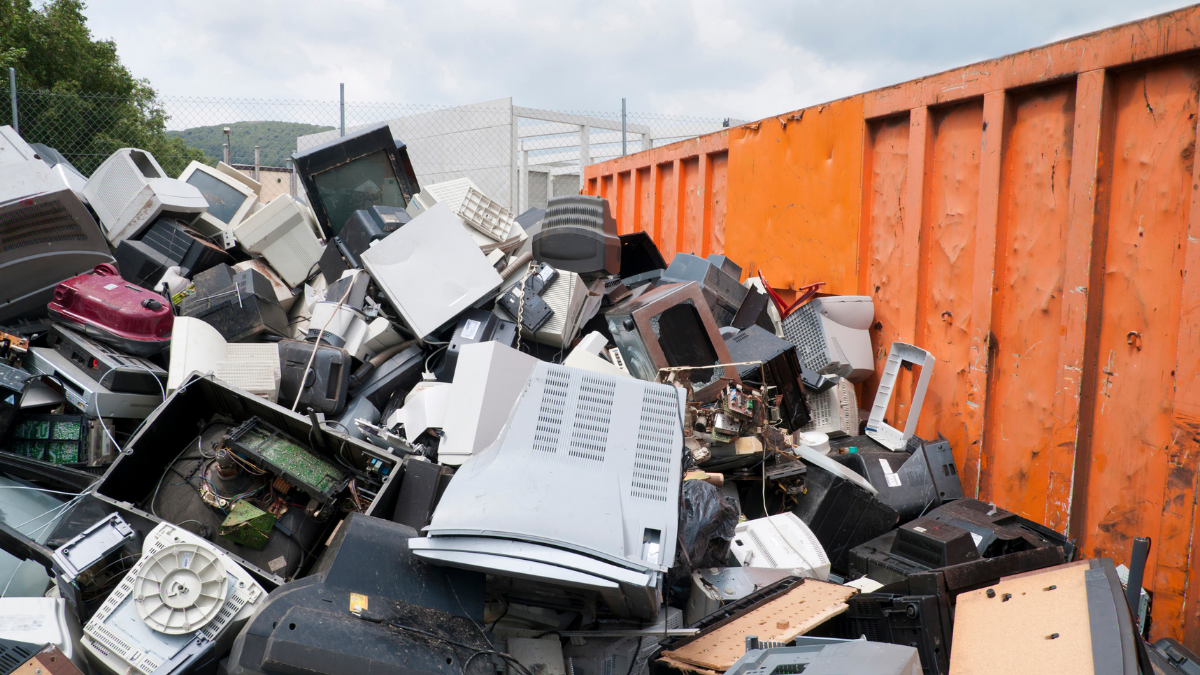
In today’s fast-paced digital world, electronics evolve rapidly, leaving behind mountains of discarded devices known as electronic scrap or e-waste. While these old computers, mobile phones, and circuit boards may seem like mere junk, they hold the key to a more sustainable future. Proper e-waste recycling is not just about waste management — it’s a powerful force in environmental protection, resource conservation, and economic growth.
This blog dives deep into the connection between electronic scrap and sustainability, exploring how reclaiming valuable materials helps reduce landfill overflow, conserves precious natural resources, and supports the burgeoning circular economy. We’ll also look at real-world successes, practical tips for responsible disposal, and Cleflavron’s role in advancing sustainable e-waste practices.
What is Electronic Scrap and Why Is It Important for Sustainability?
Electronic scrap refers to discarded electronic devices and components such as computers, smartphones, printers, scrap circuit boards, and other electronic components scrap. These items contain metals like gold, copper, and rare earth elements that can be recovered and reused.
The importance of electronic scrap in sustainability lies in its potential to:
-
Reduce the volume of e-waste sent to landfills
-
Prevent environmental pollution caused by hazardous substances
-
Conserve finite natural resources through urban mining and precious metals recovery
-
Support green jobs and eco-friendly industries
Environmental Problems Caused by Unmanaged Electronic Waste
Improper disposal of electronic scrap poses severe risks to ecosystems and human health. Toxic chemicals such as lead, mercury, and cadmium can leach into soil and water, contaminating food chains and drinking supplies. Informal e-waste burning releases harmful fumes that cause respiratory diseases.
According to the United Nations, only about 22% of global e-waste is properly recycled. The rest often ends up in poorly managed dumpsites, leading to:
-
Soil and groundwater contamination
-
Air pollution from incineration
-
Elevated risks of cancer and neurological disorders among exposed communities
How Recycling Electronic Scrap Contributes to Sustainability
Electronic scrap recycling offers a sustainable path forward by turning waste into valuable resources. Recovering metals and materials reduces the need for virgin mining, which is energy-intensive and environmentally destructive. For instance, recycling one ton of circuit boards can recover up to 40 kg of gold and over 250 kg of copper.
This process aligns with green recycling solutions and reduces the overall environmental impact of e-waste by:
-
Minimizing greenhouse gas emissions
-
Decreasing water and air pollution
-
Lowering energy consumption compared to raw material extraction
Valuable Materials Recovered from Electronic Scrap
E-waste is a treasure trove of materials. Key recoverables include:
-
Gold recovery from e-waste: Used in connectors and circuit boards
-
Copper: Present in wiring and printed circuit boards (PCBs)
-
Rare earth metals: Critical for manufacturing electronics and renewable technologies
-
Aluminum and steel: From casings and structural parts
These materials, once extracted through advanced electronic scrap recycling technologies, re-enter production cycles—helping close the loop in the circular economy and e-waste.
The Role of Electronic Scrap in Supporting the Circular Economy
The circular economy model prioritizes reuse, refurbishment, and recycling to extend the lifecycle of materials. Electronic scrap is pivotal here: by recovering valuable components, we reduce dependence on mining and manufacturing new raw materials.
Real-world initiatives demonstrate this impact:
-
Europe’s WEEE Directive mandates electronics recycling, achieving 45% recovery rates in many countries.
-
Companies like Dell and HP incorporate recycled metals into new products.
-
Urban mining projects in cities like Tokyo extract precious metals from accumulated e-waste streams.
Success Stories of Sustainable E-Waste Initiatives
-
The Basel Convention: A global treaty limiting hazardous waste export, promoting responsible recycling.
-
Samsung’s Recycling Program: Has collected over 200,000 tons of e-waste worldwide for proper processing.
-
Closing the Loop Foundation: Works in Africa to turn e-waste into new solar power products, creating jobs and clean energy.
These examples underscore how eco-friendly electronics practices not only protect the environment but empower communities economically.
How Individuals and Businesses Can Responsibly Manage Electronic Scrap
Whether you’re a household or a corporation, sustainability begins with responsible actions:
For Individuals:
-
Use certified e-waste recycling centers
-
Remove personal data before recycling devices
-
Donate working electronics to reduce waste
For Businesses:
-
Implement sustainable e-waste disposal policies
-
Partner with certified recyclers following safe disposal of electronic devices standards
-
Audit supply chains to incorporate recycled materials
Cleflavron’s Role in Sustainable Electronic Scrap Trade
At Cleflavron, we’re committed to facilitating ethical and efficient electronic scrap recycling. Our services help:
-
Connect stakeholders in the electronic waste management ecosystem
-
Provide transparent, compliant solutions for e-waste metal recovery and resale
-
Promote sustainable practices aligned with global environmental standards
Our vision is a greener future powered by responsible recycling and innovation.
Challenges in Achieving Sustainable Electronic Scrap Management
Despite progress, hurdles remain:
-
Informal recycling sectors often lack safety and environmental safeguards
-
Insufficient public awareness about proper disposal methods
-
Rapid technological obsolescence increasing e-waste volume
Addressing these requires coordinated policy, education, and investment.
Conclusion: Embracing a Greener Future Through Electronic Scrap and Sustainability
The story of electronic scrap and sustainability is one of opportunity—a chance to turn yesterday’s electronics into tomorrow’s resources. By recycling responsibly, conserving materials, and supporting circular economy principles, we reduce pollution, protect health, and drive economic growth.
Together with organizations like Cleflavron and conscious individuals and businesses, we can tackle the e-waste challenge head-on and create a cleaner, more sustainable planet for future generations.
3 Comments In This Topic:
Leave Comment: