
Introduction: Why Nonferrous Scrap Is More Valuable Than You Think
In the world of metal recycling, nonferrous scrap is often the unsung hero. Unlike ferrous metals (which contain iron), nonferrous metals are prized for their strength, light weight, corrosion resistance, and—perhaps most importantly—their high market value. From copper scrap to aluminum scrap, these metals fuel industries worldwide while promoting a cleaner, more sustainable planet.
This guide dives deep into what nonferrous scrap is, its economic and environmental value, and how buyers, sellers, recyclers, and manufacturers can tap into this valuable resource.
What Is Nonferrous Scrap Metal?
Nonferrous scrap refers to waste or discarded metals that do not contain iron. These metals retain their chemical properties through multiple recycling cycles, making them a cornerstone of eco-friendly metal recycling and sustainable manufacturing.
Key characteristics:
-
Non-magnetic (in most cases)
-
High resistance to corrosion
-
Lightweight compared to ferrous metals
-
Excellent conductivity (especially in copper and aluminum)
Examples include:
-
Copper scrap
-
Aluminum scrap
-
Brass scrap
-
Zinc scrap
-
Lead scrap
-
Nickel scrap
-
Stainless steel scrap (non-magnetic)
Nonferrous vs Ferrous Scrap: What’s the Difference?
| Feature | Nonferrous Scrap | Ferrous Scrap |
|---|---|---|
| Iron Content | None | Contains iron |
| Magnetic | Usually non-magnetic | Magnetic |
| Corrosion Resistance | High | Low to moderate |
| Value | Generally higher | Lower |
| Examples | Copper, aluminum, zinc | Steel, cast iron, wrought iron |
Types of Nonferrous Scrap and Their Industrial Uses
1. Copper Scrap
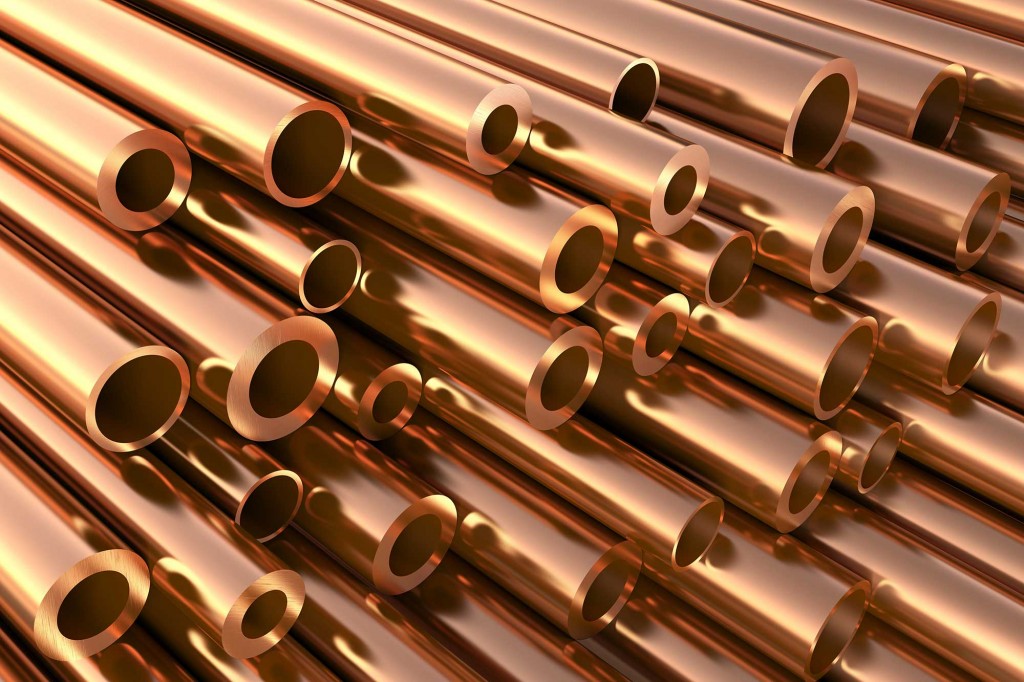
One of the most valuable nonferrous metals, copper scrap is widely used in electrical wiring, plumbing, motors, and electronics. Recycled copper maintains up to 95% of its original value.
2. Aluminum Scrap
Found in beverage cans, car parts, and construction materials. Aluminum scrap is lightweight and endlessly recyclable—ideal for sustainable manufacturing.
3. Brass Scrap
A copper-zinc alloy, brass scrap is sought after for decorative items, musical instruments, and fittings.
4. Zinc Scrap
Often recovered from galvanizing processes, zinc scrap plays a major role in protecting steel from rust.
5. Lead Scrap
Commonly found in car batteries. Despite its toxicity, lead scrap is a vital component in battery recycling programs.
6. Nickel Scrap
Used in the production of stainless steel and specialty alloys, nickel scrap is valuable for high-performance industrial applications.
7. Stainless Steel Scrap (Non-magnetic)
While stainless steel often contains iron, some grades (like 300 series) are non-magnetic and considered nonferrous due to their chromium and nickel content.
Why Is Nonferrous Scrap So Valuable?
-
High resale value: Market prices for nonferrous scrap metals like copper and aluminum are significantly higher than steel.
-
Longevity: They don’t degrade easily and maintain material integrity through recycling.
-
Global demand: As green policies and electric vehicles rise, so does the need for recycled raw materials.
Trends in the Nonferrous Scrap Market
According to recent industry reports:
-
The global nonferrous scrap prices have surged due to the electric vehicle boom and construction recovery.
-
Asia remains the top importer of nonferrous scrap, especially copper and aluminum.
-
Increasing regulation is improving quality control and compliance in nonferrous scrap yards.
“Recycled nonferrous metals are not just a commodity; they’re a climate solution,” says Mark Lewin, senior analyst at ScrapMonitor Global.
Environmental Benefits: Recycling for a Circular Economy
Nonferrous metal recovery is essential to the circular economy metals movement. Here's why:
-
Reduces the need for virgin mining
-
Saves up to 95% energy in production (e.g., aluminum)
-
Decreases greenhouse gas emissions
-
Minimizes landfill waste
Recycling just one ton of aluminum scrap saves over 14,000 kWh of energy—enough to power a home for over a year!
How Is Nonferrous Scrap Collected and Processed?
-
Collection: From industries, homes, demolition sites
-
Sorting: Manually or with machines (e.g., eddy current separators)
-
Shredding: Breaks large items into smaller pieces
-
Melting: In furnaces to create new raw material
-
Purification: Removes impurities
-
Reformation: Cast into ingots or other forms
Tips for Buying, Selling, or Sourcing Nonferrous Scrap
Buying
-
Work with verified nonferrous scrap suppliers
-
Request material specs and test reports
-
Check current nonferrous scrap prices regularly
Selling
-
Sort metals by type and grade
-
Clean off contaminants for higher value
-
Partner with reputable nonferrous scrap yards
Sourcing
-
Build relationships with demolition firms and recyclers
-
Use magnets to test for ferrous content
-
Learn to identify color, weight, and resistance to rust
Tools to Identify Nonferrous Scrap
-
Magnet Test: Nonferrous = no attraction
-
Spark Test: Copper gives a red spark, aluminum has none
-
Density Test: Nonferrous metals are lighter
-
Color & Finish: Copper is reddish, aluminum is silver/white
Who Uses Nonferrous Scrap?
Industries include:
-
Electronics and telecom
-
Aerospace and automotive
-
Construction and architecture
-
Battery and power storage
-
Renewable energy and EV sectors
Legal and Regulatory Considerations
-
Some countries require export permits for high-value scrap metals.
-
Trade in lead scrap and others may be subject to environmental certifications.
-
ISO 14001, R2 (Responsible Recycling) and EU waste framework directives apply to many.
How Cleflavron Supports the Nonferrous Scrap Economy
At Cleflavron, we source, supply, and facilitate trade in high-quality nonferrous scrap metals. Our partners benefit from:
-
Strict quality checks and certifications
-
Competitive market pricing
-
Tailored sourcing for copper scrap, aluminum scrap, and more
-
Transparent logistics and ethical trading standards
Whether you're a scrap dealer, manufacturer, or eco-conscious entrepreneur, we’re your trusted ally in the nonferrous metal recycling industry.
Conclusion: The Smart, Sustainable Choice
Nonferrous scrap is more than just waste—it's a premium resource with immense value. As industries move toward greener production, recycled metals like brass, aluminum, and copper will only grow in demand.
Ready to buy, sell, or invest in nonferrous scrap? Cleflavron is here to guide your journey.
3 Comments In This Topic:
Leave Comment: