
Introduction: Turning Waste into Value
Across the globe, the plastic industry is rethinking its relationship with waste. What was once discarded is now seen as an opportunity for sustainable innovation. Granules scrap for sale—reprocessed plastic in the form of reusable pellets—is at the heart of this transformation. Whether sourced from industrial leftovers or post-consumer materials, plastic granules have become a viable and cost-effective alternative to virgin plastic.
At Cleflavron, we recognize the pivotal role that plastic recycling granules play in a circular economy. This blog explores how manufacturers, recyclers, and entrepreneurs can leverage granules scrap to lower costs, reduce environmental impact, and fuel a more sustainable production model.
What Is Granules Scrap and How Is It Produced?
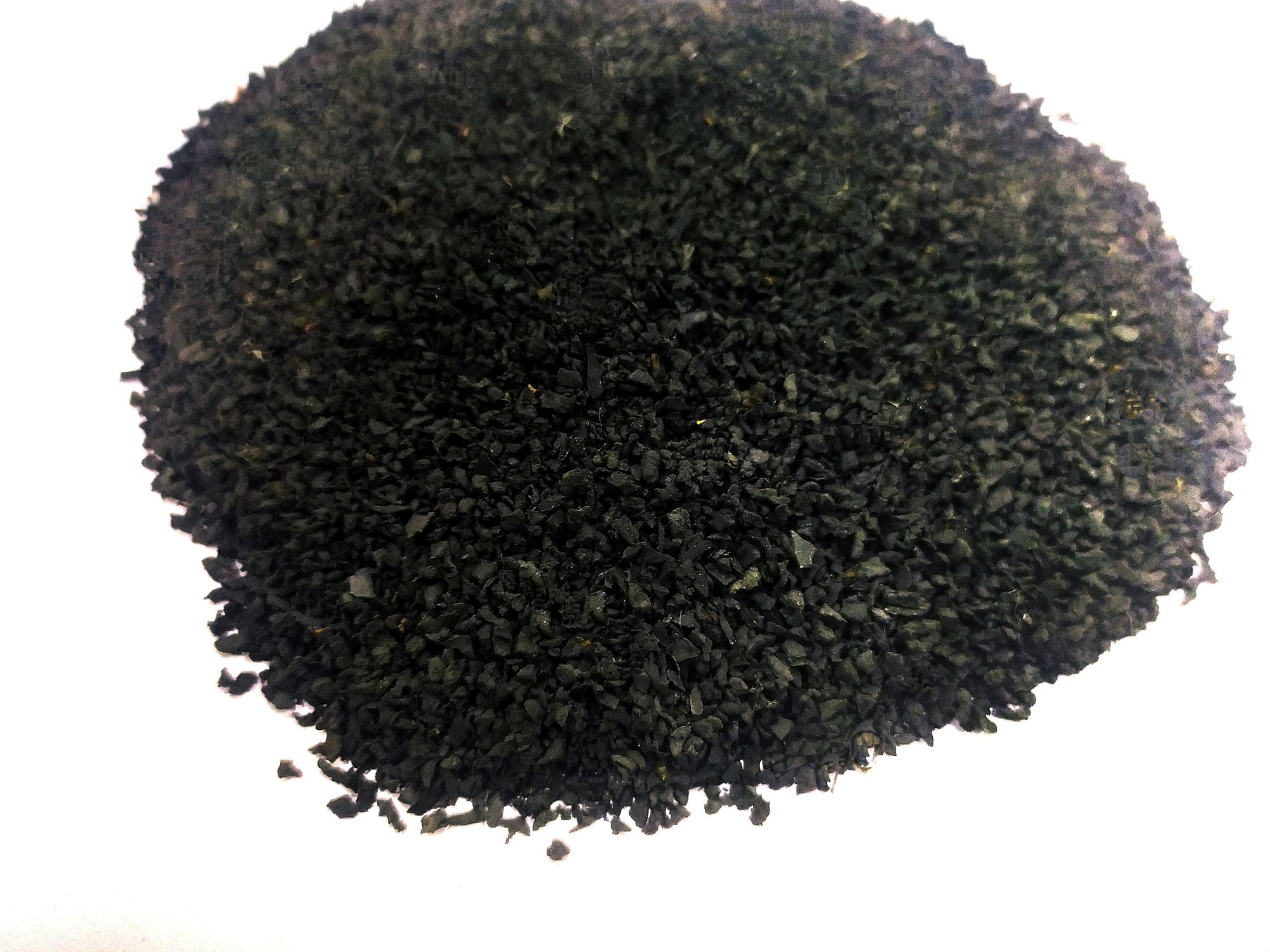
Granules scrap is made by recycling plastic waste—either post-industrial or post-consumer—into small, uniform plastic pellets. These pellets serve as recycled raw materials for plastic production, widely used in molding, extrusion, and packaging applications.
The production process typically involves:
-
Collection of waste plastic
-
Sorting and separation (by type: PP, HDPE, LDPE, PET, etc.)
-
Washing to remove labels and impurities
-
Shredding into flakes
-
Melting and filtering via extrusion
-
Cutting into granules and cooling
This closed-loop process reduces plastic waste and gives discarded materials a productive second life.
What Is the Difference Between Virgin Plastic and Scrap Granules?
Virgin granules are made from petroleum-based raw materials and offer consistent quality. In contrast, scrap granules come from recycled sources and can be more affordable and eco-friendly, though their properties depend on the input material quality.
Common Types of Plastic Granules Scrap for Sale
Several polymer types dominate the granules scrap market:
1. HDPE Granules Scrap (High-Density Polyethylene)
-
Applications: Pipes, bottles, crates, tanks
-
Benefits: High strength, weather resistance
2. LDPE Granules for Reuse (Low-Density Polyethylene)
-
Applications: Films, shopping bags, liners
-
Benefits: Flexibility, chemical resistance
3. PP Granules Scrap (Polypropylene)
-
Applications: Packaging, automotive, textiles
-
Benefits: Lightweight, heat-resistant
4. PET Granules
-
Applications: Bottles, food containers, fibers
-
Benefits: Strength, clarity, recyclability
Plastic Regrind vs Granules
Plastic regrind is shredded material that hasn’t yet been pelletized, whereas granules scrap refers to processed, uniform pellets ready for manufacturing. Granules are easier to handle and offer better flow during molding.
Where to Buy Granules Scrap in Bulk
Manufacturers and traders can source plastic scrap granules for sale from:
-
Dedicated granules suppliers with ISO or GRS certifications
-
Online B2B platforms like Alibaba, TradeIndia, and ScrapMonster
-
Recycling companies and brokers operating in local or regional markets
-
Direct import/export channels, especially in Asia, Europe, and Africa
Is It Safe to Buy Granules Scrap Online?
Yes, but due diligence is key. Always vet the supplier, request quality samples, verify shipping documents, and use secure payment platforms.
Key Industrial Uses of Granules Scrap
Granules scrap for sale supports multiple manufacturing sectors:
-
Injection molding: Automotive parts, electronics, household items
-
Blow molding: Bottles, drums, tanks
-
Film blowing: Packaging films, garbage bags, stretch films
-
Sheet extrusion: Construction panels, signs, protective layers
What Industries Use Granules Scrap the Most?
-
Plastic packaging
-
Automotive and electronics
-
Construction and piping
-
Textile and fiber manufacturing
Benefits of Using Granules Scrap in Production
1. Cost Efficiency
Recycled granules cost up to 50% less than virgin materials, especially for high-volume production.
2. Environmental Responsibility
Using plastic recycling granules significantly reduces the demand for petroleum-based plastics and lowers carbon emissions.
3. Consistent Quality
When sourced from reliable granules suppliers, recycled plastic granules offer dependable performance in most industrial processes.
4. Circular Economy Contribution
Granules scrap exemplifies the circular economy in plastics, keeping valuable resources in use and out of landfills.
“Recycling one ton of plastic saves up to 5,774 kWh of energy,” reports the U.S. Environmental Protection Agency.
How to Evaluate Granules Scrap Quality
To get the best value from granules scrap for sale, consider these criteria:
1. Color Sorting
Color affects final product aesthetics and resale value. Natural or white granules are most versatile; black or mixed colors are lower in value.
2. Purity & Contamination Levels
Check for:
-
No moisture
-
No metal or organic residue
-
Uniform size and texture
3. Source and Traceability
Ask for certificates of origin and analysis. Recycled plastic granules from industrial sources are often cleaner than post-consumer material.
4. Testing Methods
Use:
-
Melt Flow Index (MFI) testing
-
Density measurement
-
Tensile strength and impact resistance evaluation
What Contaminants Affect Value?
-
PVC mixed with other plastics
-
Metal fragments
-
Residual adhesives
Tips for Buying Granules Scrap from Trusted Suppliers
-
Verify Certifications: Look for ISO, GRS, REACH, and ROHS compliance.
-
Ask for Material Samples: Test before placing large orders.
-
Negotiate Clearly: Define shipping terms (Incoterms), delivery timelines, and payment methods.
-
Avoid Brokers Without Traceability: Always source from established networks.
How to Find Reliable Granules Scrap Exporters
-
Use international trade shows and expos
-
Network through industry groups and recyclers’ associations
-
Research online platforms with verified supplier ratings
The Growing Demand and Economic Value of Granules Scrap
Global demand for granules scrap is growing fast due to:
-
Rising raw material costs
-
Government bans on single-use plastics
-
Demand for recycled content in FMCG and retail
What’s the Market Price of Granules Scrap?
Prices fluctuate with oil prices, supply-demand, and grade. Sample prices (USD/ton):
-
HDPE: $600–$900
-
LDPE: $550–$850
-
PP: $500–$800
-
PET: $700–$1,000
Regulatory and Export Considerations
What Regulations Affect Granules Scrap Trade?
-
EU Waste Shipment Regulation (WSR)
-
Basel Convention on plastic waste export
-
Local customs and chemical safety regulations
Countries like India, Turkey, and the UAE are key importers with active recycling sectors.
Are There Export Opportunities?
Yes. Exporting plastic waste to granules is a profitable niche, especially in emerging economies with growing manufacturing needs.
Cleflavron’s Role in Sustainable Granules Supply
At Cleflavron, we connect global buyers with trusted suppliers of granules scrap for sale. Our value-added services include:
-
Supplier verification
-
Quality assurance protocols
-
Transparent pricing and documentation
Whether you’re sourcing PP granules scrap, HDPE granules scrap, or LDPE granules for reuse, we help you reduce costs, enhance sustainability, and stay compliant.
Final Thoughts: A Smart Move for Manufacturers
Sourcing granules scrap for sale isn’t just a green move—it’s a smart business decision. By embracing recycled plastic granules, industries can cut costs, reduce waste, and future-proof their supply chains.
As the global economy shifts toward greener materials, plastic granules manufacturing will increasingly rely on recycled content. Businesses that act early stand to benefit the most.
3 Comments In This Topic:
Leave Comment: