
Introduction: The Plastic Problem and the Granular Solution
In a world inundated with plastic waste, industries are under pressure to rethink how plastic is produced and reused. Enter granules scrap—a pivotal solution that transforms discarded plastic into reusable, valuable raw material. These tiny pellets or grains, created from recycled plastic, are revolutionizing the way we think about manufacturing, sustainability, and the circular economy.
At Cleflavron, we believe that innovation and responsibility go hand-in-hand. This guide offers a complete exploration of granules scrap—from what it is and how it’s made to why it’s essential for today’s eco-conscious plastic industry.
What Is Granules Scrap?
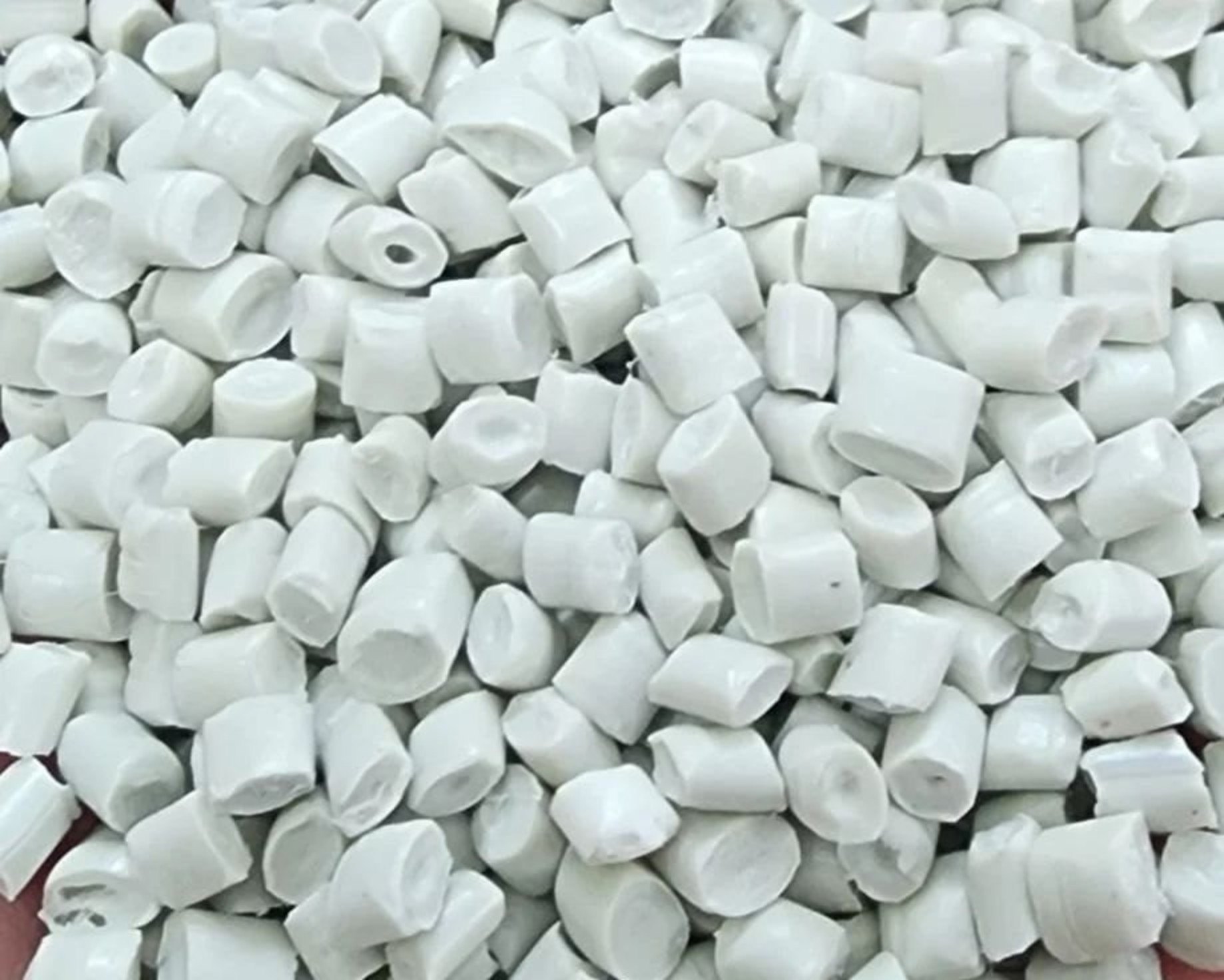
Granules scrap refers to small, uniform pellets made from recycled plastic. It is a key raw material used in plastic manufacturing processes, offering a second life to waste materials.
Are Granules Scrap and Plastic Pellets the Same?
In most contexts, yes. Both refer to processed plastic in pellet form. However, granules scrap typically emphasizes the recycled origin, whereas "plastic pellets" may also include virgin plastic.
How Is Granules Scrap Produced?
The journey from plastic waste to granules involves several carefully controlled steps:
-
Collection: Post-consumer or industrial plastic waste is collected.
-
Sorting: Plastics are sorted by type (e.g., PP, HDPE, PET).
-
Cleaning: Removal of contaminants, labels, and residues.
-
Shredding: Plastics are shredded into flakes.
-
Melting & Extrusion: Flakes are melted and passed through extrusion systems.
-
Granulation: The extruded plastic is chopped into uniform plastic recycling granules.
These granules can then be reused in the production of new plastic goods.
Different Types of Granules Scrap
Understanding the types of recycled plastic granules is crucial for sourcing and application:
1. PP Granules Scrap (Polypropylene)
-
Used in packaging, automotive parts, textiles
-
Lightweight, durable, and heat-resistant
2. HDPE Granules Scrap (High-Density Polyethylene)
-
Used in detergent bottles, pipes, crates
-
High strength-to-density ratio
3. LDPE Granules for Reuse (Low-Density Polyethylene)
-
Used in plastic bags, films, and containers
-
Flexible and lightweight
4. PET Granules
-
Used in beverage bottles, textiles, and food containers
-
Strong, clear, and widely recycled
Each type has its own melting point, strength, and application profile, making it vital to match the right granules scrap with the manufacturing need.
Applications: How Granules Scrap Powers Manufacturing
Granules scrap is a versatile material used in:
-
Injection molding: For automotive components, electronics casings, and household items
-
Blow molding: For bottles and containers
-
Film production: For packaging films, garbage bags, agricultural films
-
Extrusion: For pipes, sheets, and profiles
Is Granules Scrap Suitable for Injection Molding?
Absolutely. With the right grade and purity, granules scrap can deliver high-quality molded products indistinguishable from those made with virgin plastic.
Environmental Benefits of Recycled Plastic Granules
The environmental benefits of using plastic scrap granules for sale are immense:
-
Reduces plastic waste in landfills and oceans
-
Lowers carbon emissions by reducing demand for virgin plastic production
-
Saves energy: Recycling uses significantly less energy than new production
-
Promotes circular economy in plastics by keeping resources in use longer
"Using recycled plastic granules reduces greenhouse gas emissions by up to 70% compared to virgin resin production," according to a 2023 report by the Ellen MacArthur Foundation.
Can Granules Scrap Be Reused Multiple Times?
Yes, depending on the polymer type and application, granules scrap can be reprocessed several times, although mechanical properties may degrade with each cycle.
Economic Advantages for Manufacturers
For manufacturers, recycled raw materials for plastic production offer:
-
Cost savings over virgin resins
-
Market differentiation through sustainability claims
-
Flexibility in sourcing
-
Supply chain resilience amid raw material shortages
Can Granules Scrap Reduce Manufacturing Costs?
Yes. In high-volume production, sourcing granules scrap can lower material costs by 20-50%, depending on the polymer and region.
Market Trends and Demand
The global demand for plastic recycling granules is soaring, driven by:
-
Government regulations on plastic use and waste
-
Corporate sustainability pledges
-
Growing awareness of plastic pollution
The market for granules scrap is especially strong in:
-
Asia: Major manufacturers looking for affordable inputs
-
Europe: Regulatory push toward recycled content
-
North America: Innovation in sustainable packaging
What Is the Price of Granules Scrap per Ton?
Prices vary based on type, color, quality, and region. On average:
-
PP: $500–$800/ton
-
HDPE: $600–$900/ton
-
PET: $700–$1,000/ton
How to Source High-Quality Granules Scrap
What Certifications Should Granules Scrap Suppliers Have?
-
ISO 14001 (environmental management)
-
Global Recycled Standard (GRS)
-
REACH/ROHS compliance for chemical safety
How Can I Identify High-Quality Granules Scrap?
-
Consistency in color and size
-
Minimal contamination or odors
-
Certificate of analysis from the supplier
How Do I Store Plastic Granules Scrap Properly?
-
Keep in dry, cool, indoor storage
-
Use UV-resistant containers if stored outdoors
-
Avoid moisture to prevent degradation
Cleflavron’s Role in the Granules Scrap Supply Chain
At Cleflavron, we help connect manufacturers with trusted granules suppliers across global markets. Our network ensures:
-
Access to certified, high-quality recycled plastic granules
-
Competitive pricing for plastic scrap granules for sale
-
Transparent logistics and documentation
Whether you're a small business or a large-scale plastics producer, Cleflavron is committed to enabling your journey toward sustainable production.
Frequently Asked Questions (FAQs)
What industries use granules scrap the most?
Packaging, automotive, construction, electronics, agriculture.
What’s the difference between virgin granules and recycled scrap granules?
Virgin granules come from raw petrochemicals; recycled granules come from used plastics. Virgin offers more consistency; recycled offers sustainability.
How do I find reliable granules scrap exporters?
-
Vet supplier certifications
-
Request material samples
-
Ask for third-party quality verification
What machinery is needed to process granules scrap?
Extruders, pelletizers, shredders, washing units, magnetic separators.
What safety regulations apply to handling granules scrap?
-
Use PPE
-
Follow fire hazard guidelines
-
Ensure good ventilation in storage and processing areas
How can I start a granules scrap trading business?
-
Understand local recycling laws
-
Partner with collection centers or recyclers
-
Build relationships with granules suppliers and buyers
-
Focus on consistent quality and supply
Final Thoughts: A Future Built on Reuse
Granules scrap is more than a recycling byproduct—it's a practical, profitable path to more sustainable plastics. As global industries shift toward circular solutions, businesses that embrace plastic recycling granules are positioning themselves at the forefront of innovation and responsibility.
Partner with Cleflavron to find or supply high-quality granules scrap, and take a proactive step toward a cleaner, more cost-effective future in manufacturing.
3 Comments In This Topic:
Leave Comment: