
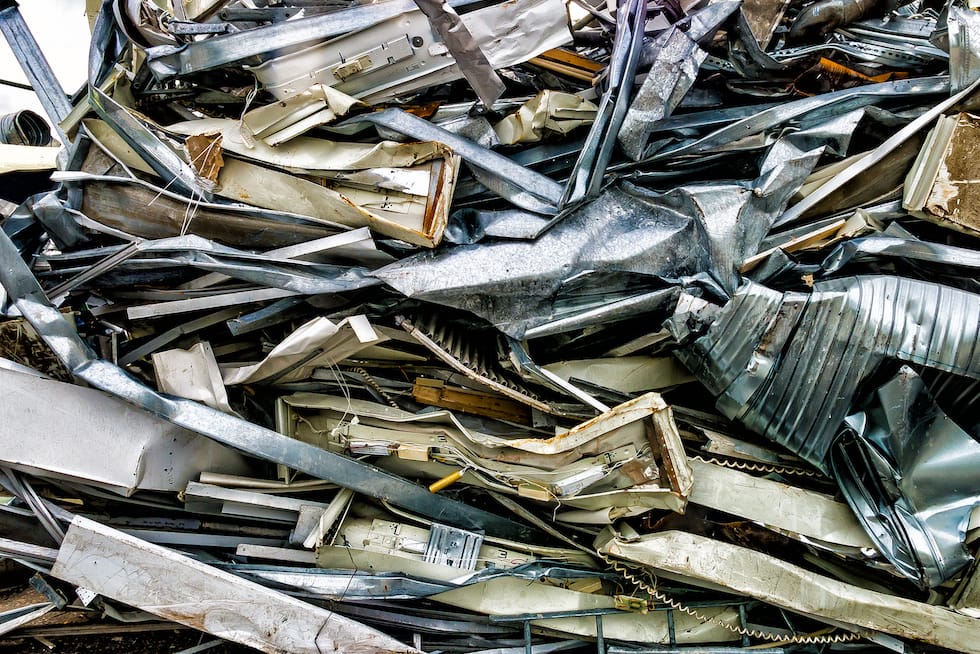
Introduction: A Metal Revolution Rooted in Waste
In today’s global push toward sustainability, nonferrous scrap recycling stands out as a critical force driving resource efficiency, economic growth, and environmental stewardship. With industries seeking alternatives to virgin metal extraction, nonferrous metals such as copper scrap, aluminum scrap, and brass scrap have become prized assets.
Unlike their ferrous counterparts, nonferrous scrap doesn’t rust, retains its chemical properties through multiple recycling cycles, and commands significantly higher resale value. From smartphones to skyscrapers, the demand for high-value scrap metals is soaring—and it's reshaping how we think about waste.
What Is Nonferrous Scrap and How Is It Different from Ferrous Scrap?
At its core, nonferrous scrap refers to discarded metal materials that do not contain iron. In contrast, ferrous metals (like steel and cast iron) are iron-based and magnetic.
Key Differences:
-
Magnetism: Ferrous metals are magnetic; nonferrous are not.
-
Rust Resistance: Nonferrous metals resist corrosion.
-
Value: Nonferrous scrap typically has a much higher resale value.
-
Weight and Conductivity: Nonferrous metals tend to be lighter and excellent conductors, making them ideal in tech, aerospace, and energy applications.
Common Types of Nonferrous Scrap Metals and Their Uses
1. Copper Scrap
Used extensively in electrical wiring, plumbing, and renewable energy systems, copper is among the most valuable and recyclable nonferrous metals. It can be recycled indefinitely without losing quality.
2. Aluminum Scrap
Lightweight yet strong, aluminum scrap is essential in the automotive, aerospace, and packaging industries. Recycling aluminum uses 95% less energy than producing it from raw bauxite.
3. Brass Scrap
A mix of copper and zinc, brass scrap is widely used in plumbing fixtures, musical instruments, and decorative items.
4. Other Types:
-
Zinc Scrap: Used in galvanization.
-
Lead Scrap: Found in batteries.
-
Nickel Scrap: Used in stainless steel and specialty alloys.
-
Stainless Steel Scrap (non-magnetic): Often included in industrial metal recycling processes.
Why Is Nonferrous Scrap Recycling So Valuable?
The nonferrous scrap recycling process preserves finite resources while enabling cost-effective production. Here's why it's in such high demand:
-
High resale value: Particularly for copper and aluminum.
-
Energy efficiency: Significantly lower carbon footprint than mining.
-
Material performance: Recycled nonferrous metals retain integrity.
-
Diverse application: From construction and electronics to automotive and green energy sectors.
"Recycling one ton of aluminum saves over 14,000 kWh of energy. That's enough to power a household for over a year." — Global Recycling Foundation
The Role of Nonferrous Scrap in the Circular Economy
Circular economy metals are about more than reuse—they’re about designing waste out of the system. Nonferrous metals are ideal for this because:
-
They are infinitely recyclable.
-
Their market value supports a viable recovery chain.
-
They help businesses reduce raw material dependency.
By embracing sustainable metal recovery, industries are transforming waste streams into revenue streams while aligning with ESG goals.
Global Trends Driving Nonferrous Scrap Demand
The global scrap metal market is booming due to:
-
Green regulations: Governments encouraging recycling over raw extraction.
-
Urbanization: More buildings, electronics, and vehicles mean more recyclable content.
-
Supply chain challenges: Recycled materials offer stability when mining is volatile.
-
Scrap metal export opportunities rising in emerging economies.
The Recycling Process: From Collection to Reuse
1. Collection and Sorting
Scrap yards use magnetic separation to sort ferrous and nonferrous metals. Visual inspection, spark tests, and X-ray fluorescence (XRF) can help identify different types.
2. Processing and Shredding
The metal is crushed and shredded to reduce size, then cleaned of contaminants.
3. Melting and Refining
The scrap is melted in furnaces and purified.
4. Solidifying and Resale
Molten metal is cast into shapes or rolled into sheets for recycling raw materials used in manufacturing.
Can copper be recycled indefinitely? Absolutely. It does not lose its properties, which makes it a perpetual resource.
Tools, Technologies, and Safety in Nonferrous Recycling
-
Machinery used: Eddy current separators, balers, shredders.
-
Safety: Gloves, ventilation systems, eye protection are essential.
-
Contamination risks: Lead, mercury, or mixed alloys can reduce scrap value.
Market Value: Pricing, Investment, and Profitability
What Determines Nonferrous Scrap Prices?
-
Metal purity
-
Global commodity prices
-
Demand by sector (e.g., electric vehicles = copper surge)
-
Export/import tariffs
Top Resale Value:
-
Copper remains the most profitable.
-
Brass and aluminum follow closely.
Is nonferrous scrap a good investment? Absolutely—it offers:
-
Stable demand
-
Low volatility compared to raw extraction
-
Eco-incentives for businesses engaging in industrial metal recycling
Industries Powering the Surge in Nonferrous Scrap Demand
-
Construction: Wiring, fittings, and framing.
-
Electronics: Circuit boards and processors.
-
Automotive: Lightweight bodies and batteries.
-
Aerospace: High-strength, corrosion-resistant materials.
-
Renewable Energy: Wind turbines, solar panel frames.
Environmental Benefits of Recycling Nonferrous Scrap
Energy Conservation
Recycling nonferrous metals uses up to 90% less energy than mining new metals.
Reduced Emissions
Contributes to lower carbon emissions and environmental degradation.
Conservation of Resources
Reduces demand for mining, preserving ecosystems.
"Every ton of recycled copper prevents 220 kg of CO2 emissions." — European Copper Institute
Can Households and Small Businesses Recycle Nonferrous Scrap?
Yes! Even everyday items like:
-
Old phone chargers
-
Plumbing pipes
-
Aluminum cans
-
Brass doorknobs
can be collected and sold at a local nonferrous scrap yard.
Where to Sell?
-
Online platforms
-
Local recyclers
-
Wholesale scrap dealers
How Cleflavron Supports the Nonferrous Market
At Cleflavron, we provide access to sustainable metal recovery solutions for industries looking to integrate recycling raw materials into their supply chains. Whether you’re a buyer, seller, or investor, we help you tap into the booming global scrap metal market with confidence.
We specialize in:
-
Sourcing and supplying quality nonferrous scrap
-
Advising on best practices in nonferrous scrap recycling
-
Enabling efficient trade in circular economy metals
Final Thoughts: The Future Is Circular, and Nonferrous Is the Fuel
In a world striving for climate resilience and industrial efficiency, nonferrous scrap recycling is not just a waste solution—it's a growth strategy. With expanding market demand, environmental urgency, and rising metal prices, nonferrous metals offer a sustainable, profitable future for manufacturers and recyclers alike.
Start trading smarter. Start recycling greener. Start with Cleflavron.
3 Comments In This Topic:
Leave Comment: